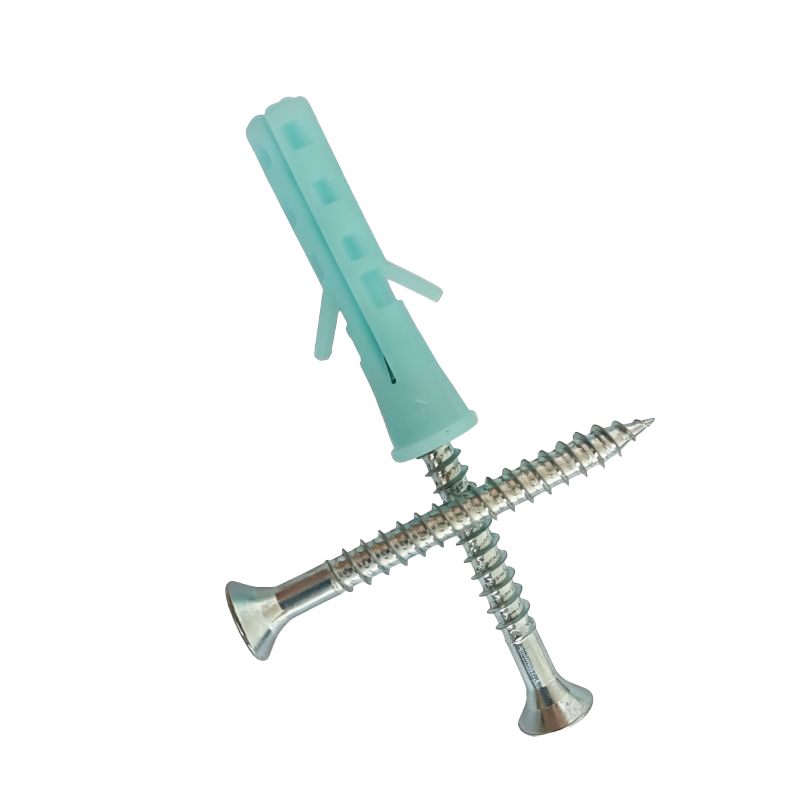
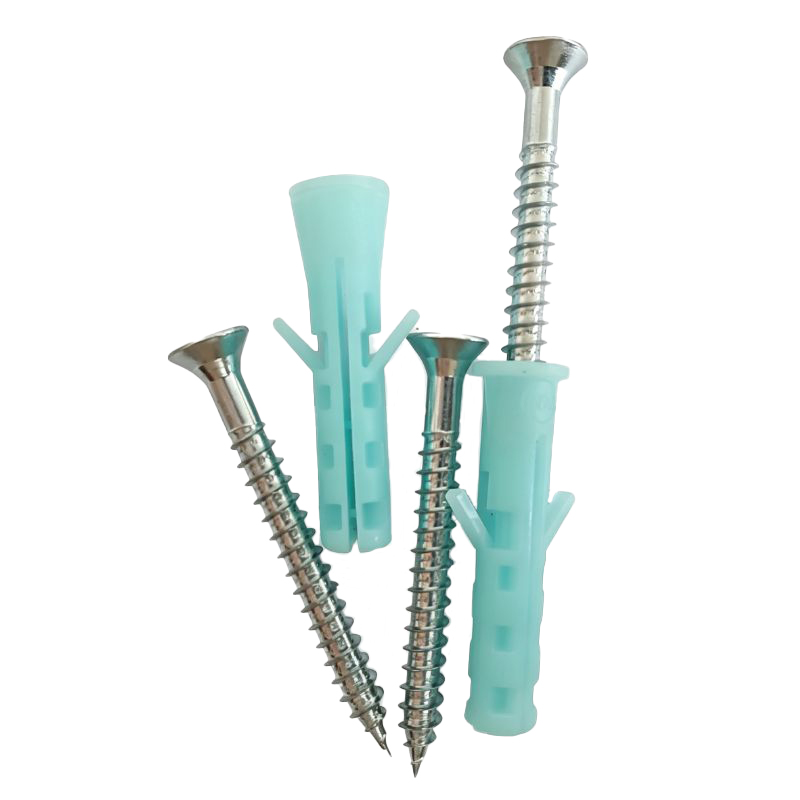
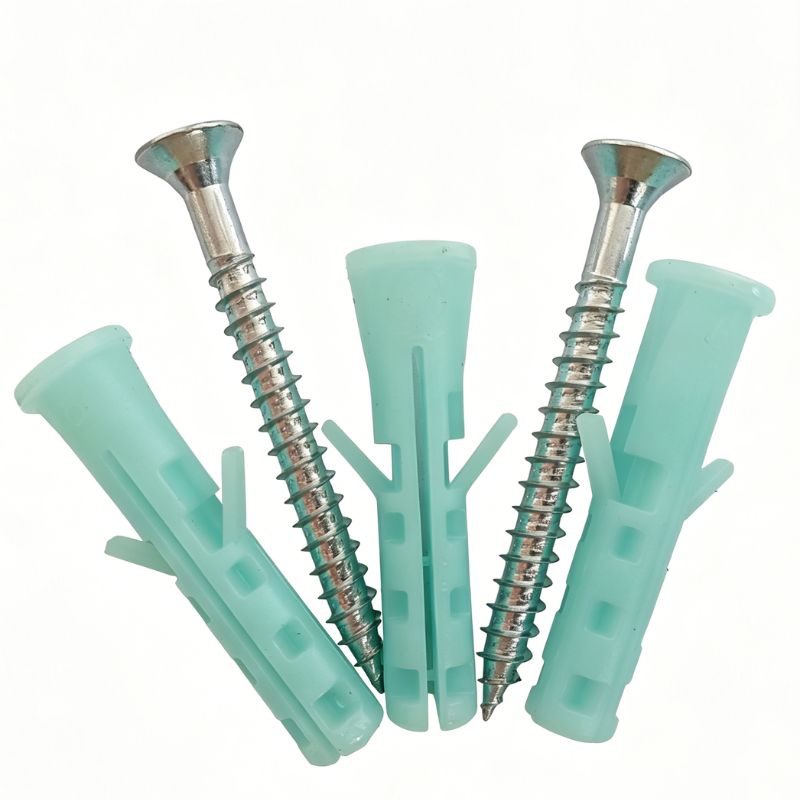
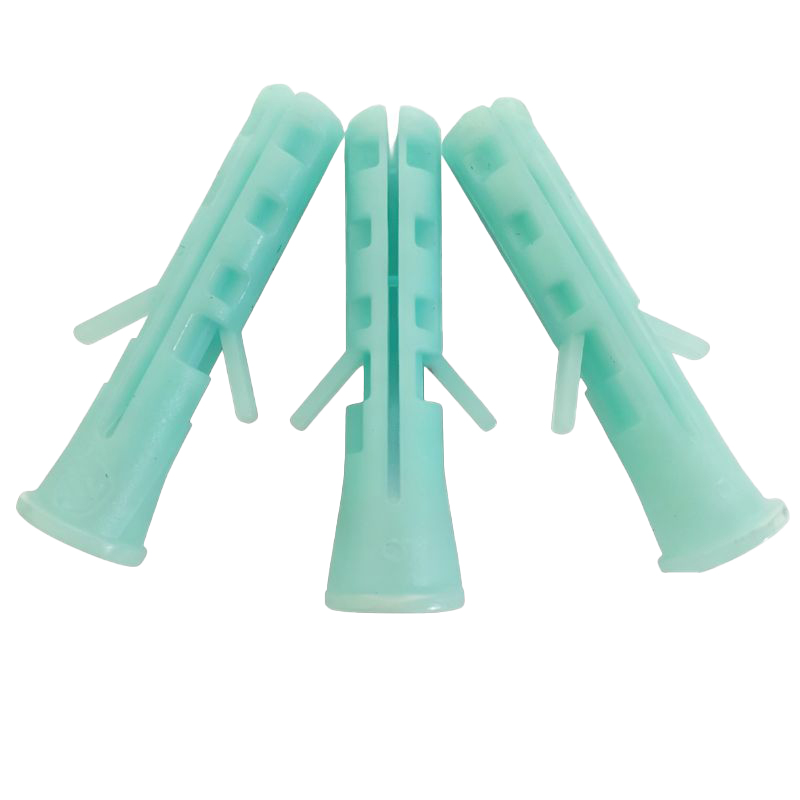
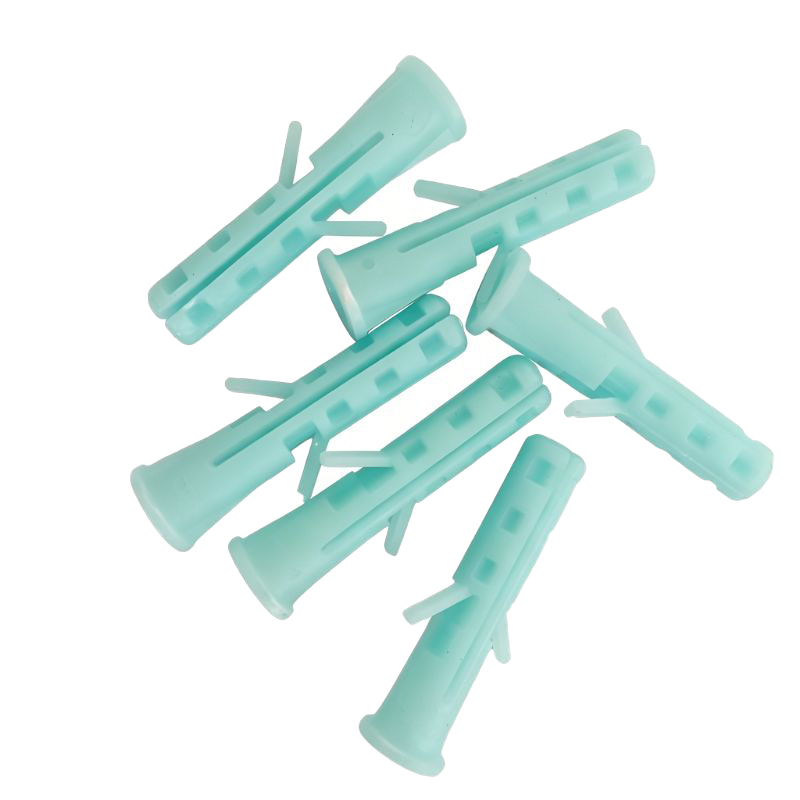
Forget the marketing fluff. A plastic screw anchor does one thing: it turns a weak hole into a strong one.
You drill a pilot hole, push the anchor in, then drive the screw. As the screw goes in, the anchor expands against the back of the drywall. That expansion spreads the load over a larger area – sometimes 5x or 10x what a bare screw could handle. No expansion, no holding power.
Some anchors use wings. Some use ribs. Some just bulge. But the principle is always mechanical interference inside the cavity.
Not all screws with drywall anchors are the same. Here’s the breakdown based on what works - and what doesn’t - on job sites.
| Type | How It Installs | Real Load (1/2″ drywall) | Best For | Watch Out |
|---|---|---|---|---|
| Ribbed / Push-in | Drill, then tap or screw in | 10–20 lbs | Small picture frames, lightweight hooks | Brittle in old drywall; low pullout |
| Expansion anchor | Drill, insert, tighten screw to expand | 25–50 lbs | Shelves, towel bars, bathroom hardware | Over-tightening cracks the drywall |
| Self-drilling | No pre-drill – drive directly | 25–50 lbs | Medium shelves, fixtures | Strips easily in soft board |
| Screw-in (threaded) | Pre-drill, then screw in | ~30 lbs | Curtain rods, light shelving | Can loosen with vibration |
| Winged / Toggle | Large hole, wings open inside | 50+ lbs | TV mounts, heavy mirrors, cabinets | Requires bigger hole; slower install |
| Plastic Molly-type | Pre-drill, screw expands sleeve | ~50 lbs | Medium-heavy shelves, mirrors | Not great for repeated removal |
Most everyday home use – towel bars, shelves under 30 lbs – is fine with expansion or self-drilling plastic drywall anchors and screws. For anything heavy, skip plastic and go with toggle bolts. But for 80% of residential jobs, plastic does the job at half the cost.
The plastic itself matters more than most buyers think. We’ve tested cheap anchors that snap during installation. Here’s what we’ve learned.
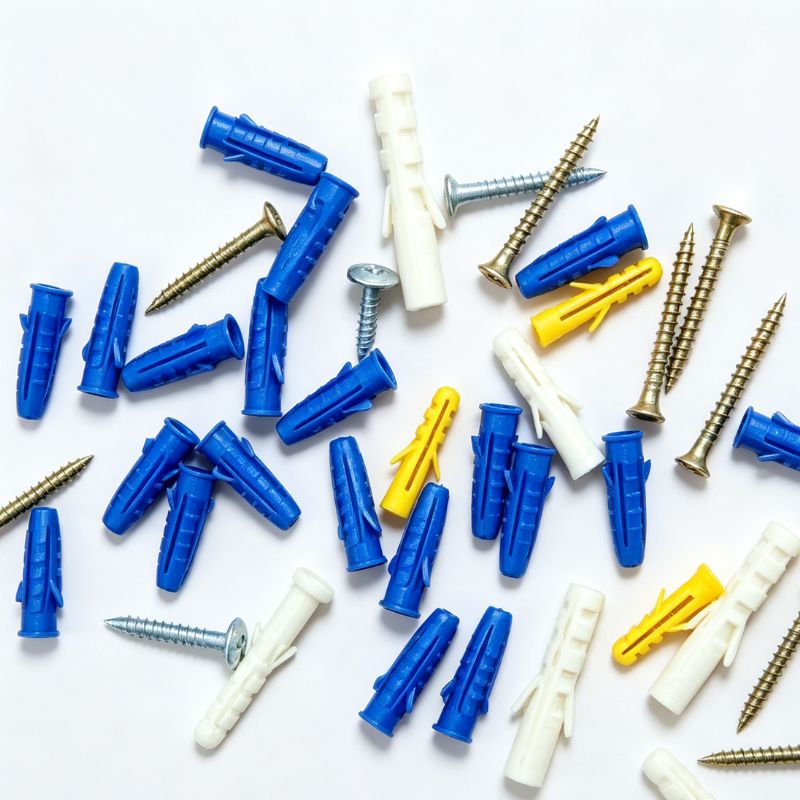
Our take: If the customer wants a single SKU that covers 90% of residential needs, go with nylon plastic screw anchors. The price difference is small. The return rate is even smaller.
Standard anchor sizes - these are what we stock and what most contractors order.
| Anchor Size (inch) | Matching Screw | Drill Bit Size | Drywall Thickness | Typical Load (tensile / shear) |
|---|---|---|---|---|
| 1-1/2″ | #12 – #16 | 5/16″ | ≥3/8″ | 50–70 lbs / 75–150 lbs |
| 1-5/8″ (self-drill) | #6 – #10 | none needed | 3/8″ – 1/2″ | 25–50 lbs |
| 1″ | #4 – #10 | 1/4″ | 1/8″ – 1/2″ | 35 lbs (with 2:1 safety factor) |
| 3-1/2″ (heavy-duty) | #10 – 32 | 3/4″ | variable | Depends on cavity depth |
Screw length = thickness of the item being mounted + anchor length + 1/4″ for expansion. Too short - no expansion. Too long - punch through the wall.
Thread pitch matters. For self-drilling plastic anchors, use a #8 sheet metal screw. Coarse-thread drywall screws don't work well - they chew up the plastic instead of expanding it.
We see a lot of inflated claims. Here are real-world working loads for screws with drywall anchors in 1/2″ standard drywall. These assume proper installation - straight hole, no over-torque, no wall damage.
| Anchor Type | Max Recommended Load | Safe Working Load (50% safety factor) |
|---|---|---|
| Ribbed push-in | 20 lbs | 10 lbs |
| Expansion (basic) | 30 lbs | 15 lbs |
| Self-drilling | 50 lbs | 25 lbs |
| Screw-in (threaded) | 30 lbs | 15 lbs |
| Winged toggle | 80 lbs | 40 lbs |
| Plastic Molly | 50 lbs | 25 lbs |
Nylon anchors: -40°C to 80°C operating range. PP anchors not recommended below 0°C.
For TV mounts or cantilevered shelves, ignore plastic entirely and use metal toggles. But for mirrors, towel bars, curtain rods, and most wall cabinets under 40 lbs, plastic drywall anchors and screws are the right balance of cost and performance.
Hefeng Group focuses on manufacturing and supplying screws for real construction needs.
Over the past 10 years, we’ve worked with customers across North America, South America, and Southeast Asia, learning that consistency matters most in this business...[ Read More >>]


