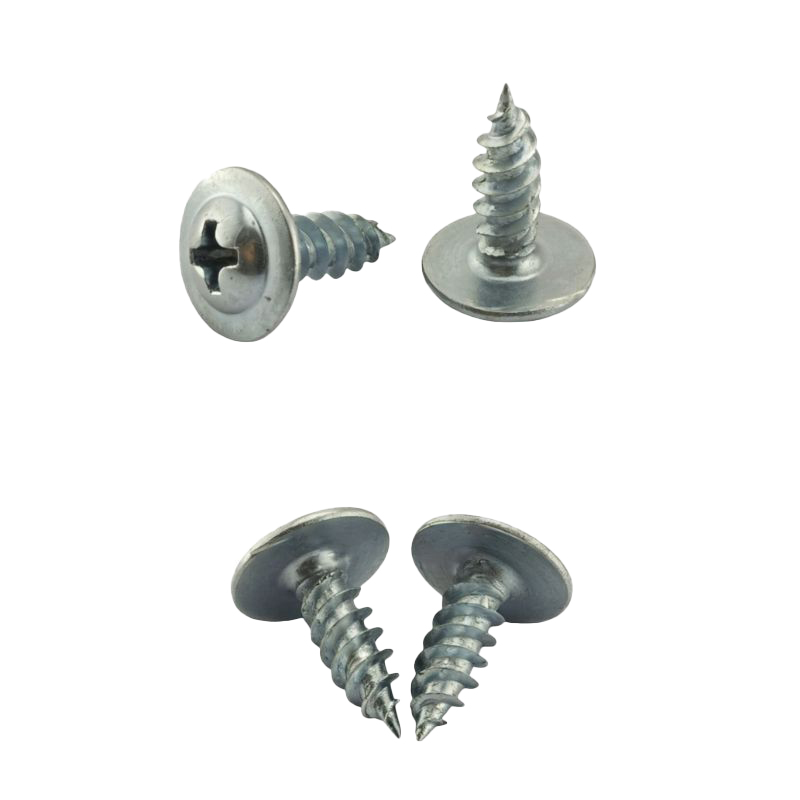
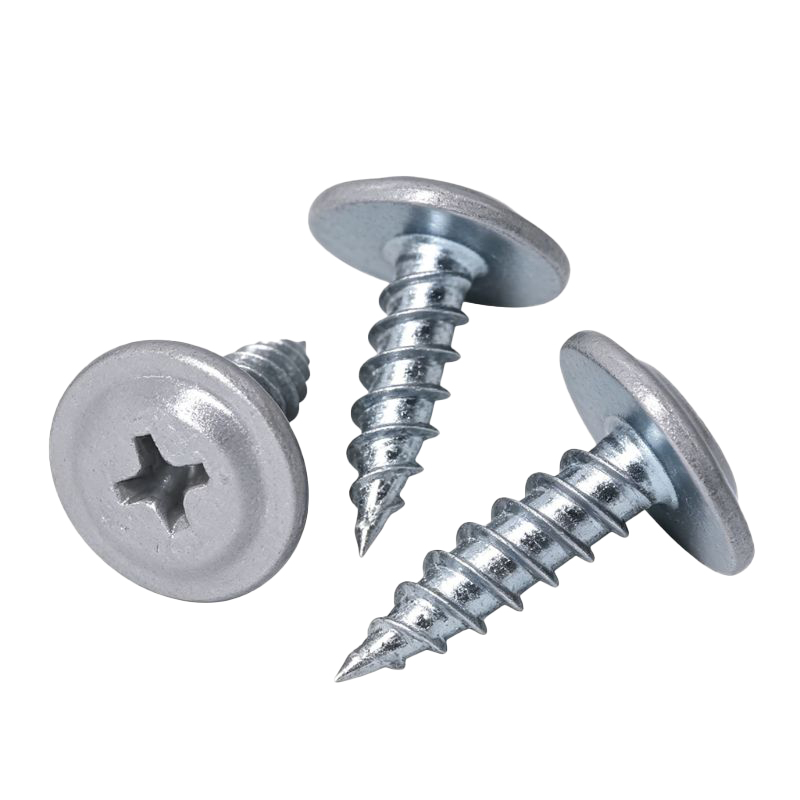
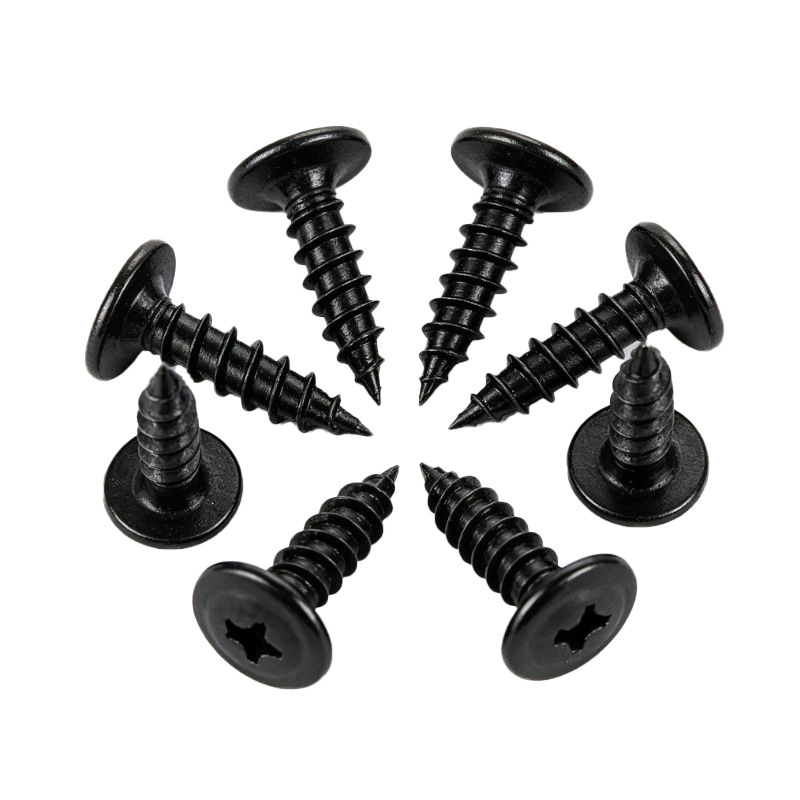
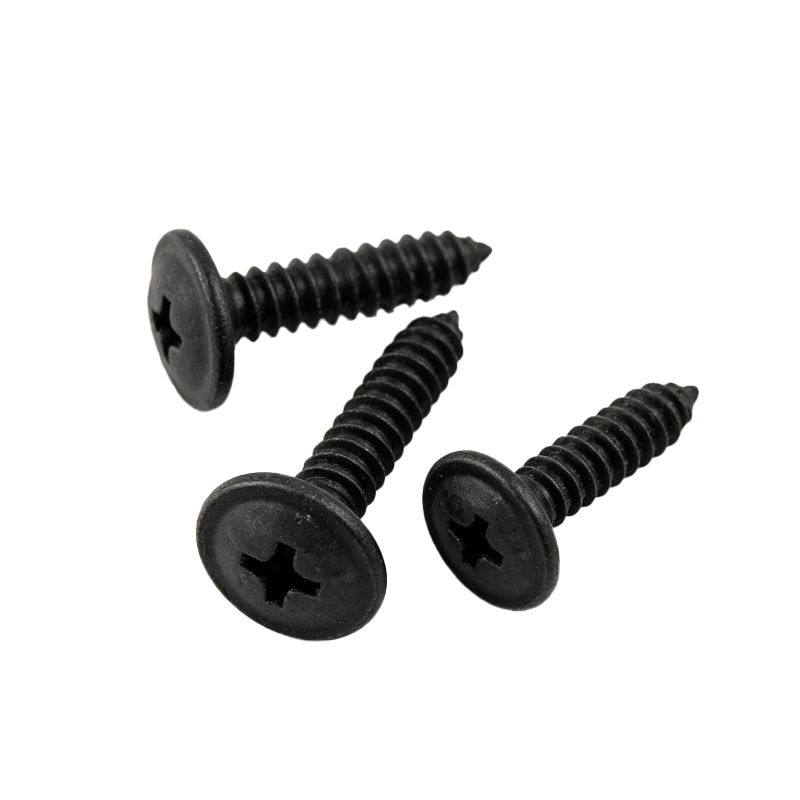
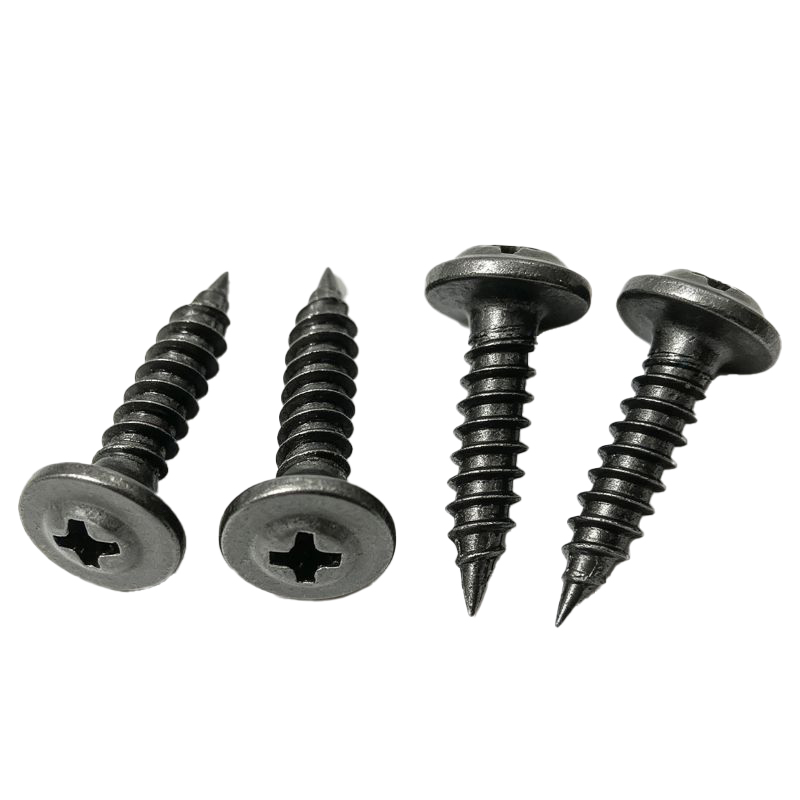
For thin-sheet assembly, plastic enclosures, and light structural fastening, Wafer Head Self Tapping Screws offer a clean, low-profile solution that many other screw types can’t match. The wide wafer head distributes clamping force evenly, so soft materials and thin panels won’t get crushed or dimpled. Meanwhile the sharp, Type AB point cuts its own mating thread into a pre-drilled pilot hole—no tapping beforehand. From electronics and home appliances to furniture and automotive interiors, wafer self tapping screws deliver consistent holding power without the added cost or complexity of a drilling tip. And because the head sits nearly flush with the surface, self tapping wafer screws are the go-to choice whenever exposed installation and a professional finish matter as much as mechanical reliability.
Different jobs call for different thread designs. The table below covers the most common types used on wafer self tapping screws.
| Thread Type | Point Style | Thread Form | Typical Application |
|---|---|---|---|
| Type AB | Sharp, gimlet point | Coarse, spaced | Thin metal sheets ≤0.8 mm (mild steel), plastics, wood, fibreboard |
| Type B | Blunt, rounded point | Coarse, spaced | Thicker plastics, die-cast parts, soft composites |
| Type BP | Sharp point | Fine, spaced | Precision assembly, thin metal, electronic chassis |
| Type C | Blunt point | Fine, machine-screw thread | Metal-to-metal, structural joints, higher strength demands |
For most general fastening into thin steel, plastic, or wood, Type AB is the industry standard. The sharp point centers easily and reduces radial stress during thread forming.
Choosing the right material for your self tapping wafer screws depends on the environment, strength needs, and the base material you are fastening into.
| Material | Grade / Condition | Key Properties | Recommended Environment |
|---|---|---|---|
| Carbon steel | C1018, SWRCH18A, 1022A (case hardened) | Surface HV 450–550, core HV 300–400; meets ISO 2702 | Indoor, general fabrication, furniture, electronics – most cost-effective |
| Stainless steel SUS304 (A2) | A2-70 | Good corrosion resistance, non-magnetic | Indoor & outdoor, humid areas, some chemical exposure |
| Stainless steel SUS316 (A4) | A4-80 | Excellent resistance to salt and chemicals | Marine, coastal, high salt-spray, aggressive industrial environments |
| Stainless steel SUS410 | Martensitic, hardenable | High hardness, magnetic; lower galling risk than austenitic grades (lubrication still advised) | Tapping into stainless steel sheets – the hard tip reduces thread stripping on the screw |
| Aluminum alloy | 2xxx / 6xxx series | Lightweight, good thermal conductivity | Electronics, heat sinks, lightweight assemblies |
| Brass / copper | Free-cutting brass | Conductive, decorative, corrosion-resistant | Electrical connections, visible decorative fastening |
Note on SUS410: Lubrication (wax, oil, or light coating) is strongly recommended when driving into stainless steel to avoid galling – a standard practice for any stainless‑on‑stainless thread engagement.
Many buyers ask: Why choose Wafer Head Self Tapping Screws instead of self-drilling (self‑piercing) wafer head screws? The difference lies in the tip, the need for a pilot hole, and the material thickness each type handles best.
| Feature | Wafer Head Self Tapping Screw (Type AB) | Wafer Head Self Drilling Screw (Type BSD / CSD) |
|---|---|---|
| Tip design | Sharp, tapered gimlet point | Drill-shaped point with cutting wings |
| Pre-drilling required? | Yes – a pilot hole is mandatory | No – drills its own hole and taps in one operation |
| Max steel sheet thickness | ≤0.7 mm (mild steel); thinner for stainless or high-strength steel | ≥0.7 mm (depends on drill point type) – can handle up to 6 mm depending on drill point type |
| Typical substrate | Thin metal, plastic, wood, fibreboard, composite panels | Steel framing, C-purlin, thick sheet metal, roof panels |
| Driving torque | Low – the thread cuts easily into a prepared hole | Higher – must overcome drilling resistance |
| Thread form | Spaced (Type AB, B, BP) | Usually machine screw thread (UNF/Metric) or fine-pitch spaced (Type CSD) |
| Cost | Lower per piece | Higher due to drill point and heat treatment |
| Installation speed | Requires separate drilling step (or existing holes) | One-step, faster overall for high-volume metal work |
Another practical rule from drywall and light‑gauge steel framing:
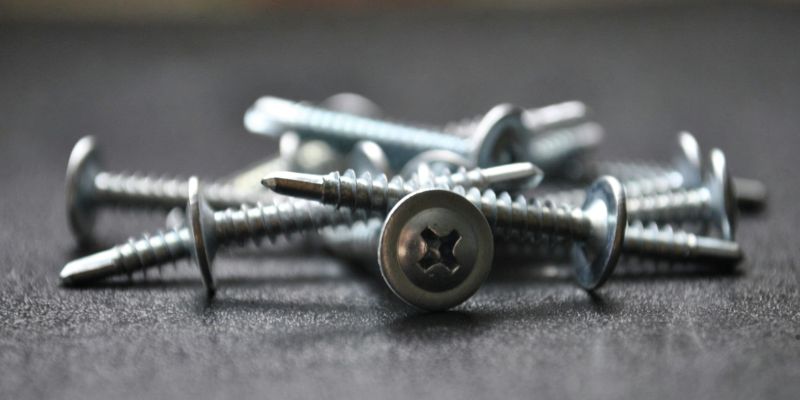
For plastics, wood, MDF, or fibreboard, always choose self tapping wafer screws - a self‑drilling tip would only damage or burn the material.
Hefeng Group focuses on manufacturing and supplying screws for real construction needs.
Over the past 10 years, we’ve worked with customers across North America, South America, and Southeast Asia, learning that consistency matters most in this business...[ Read More >>]


